
When you come to the Jack & Sheryl Morris Cancer Center for treatment of a gastrointestinal (GI) cancer, you have a multidisciplinary team of experts dedicated to your care and wellbeing. Specialized providers from Rutgers Cancer Institute and RWJBarnabas Health collaborate to review each case, making sure no aspect of care is overlooked.
Rutgers Cancer Institute and Robert Wood Johnson University Hospital, an RWJBarnabas Health facility, earned several High Performing ratings in the 2025-2026 U.S. News & World Report Best Hospitals survey, including for colon cancer surgery.
What is Gastrointestinal Cancer?
Gastrointestinal cancers are a common group of cancers caused by abnormal growth of cells in organs found along the gastrointestinal tract. This abnormal cell growth causes the formation of tumors, and may spread throughout the body. Healthy lifestyle changes and routine screening can drastically lower your risk of developing GI cancers.
With years of experience, our multidisciplinary experts specialize in the treatment of:
- Esophageal Cancer
- Stomach Cancer
- Cancer of the small intestine
- Colon Cancer
- Rectal Cancer
- Pancreatic Cancer
- Retroperitoneal Cancer
- Cancer of other intra-abdominal organs
Symptoms of Gastrointestinal Cancer
Patients with gastrointestinal cancer may experience different symptoms depending on the type, location and stage of their disease. However, common symptoms include:
- Fatigue
- Nausea or vomiting
- Early satiety (feeling full after eating small amounts of food)
- Blood in the stool
- Abdominal pain, cramping or bloating
- Unexplained weight loss
- Changes in bowel habits (diarrhea, constipation, incomplete emptying)
- Rectal bleeding, pressure or pain
- Jaundice (yellowing of the skin or eyes)
The Latest Diagnostic and Treatment Options
At the state-of-the-art Jack & Sheryl Morris Cancer Center, experts from Rutgers Cancer Institute and RWJBarnabas Health work together to deliver comprehensive, coordinated, and individualized care. Our multidisciplinary GI cancer team meets weekly to review patient cases and integrate the latest research advances directly into care planning.
Through close collaboration between clinicians and scientists, we offer the most current and effective approaches for diagnosing and treating pre-cancerous and cancerous conditions of the gastrointestinal system—including advanced imaging, molecular profiling, minimally invasive and organ-preserving procedures, precision therapies, and access to innovative clinical trials available only at our center.
Systemic and Precision Therapies
Our medical oncologists tailor treatment using the latest targeted and immunotherapy agents, designed to exploit specific tumor features such as HER2, PD-L1, or CLDN18.2. These cutting-edge therapies — often combined with chemotherapy — are changing outcomes for patients with both localized and advanced gastric cancers. As part of an NCI-designated Comprehensive Cancer Center, our patients also have access to clinical trials exploring next-generation immunotherapy, molecular diagnostics, and precision-based drug development.
Additional Treatments
- Advanced treatment options and emerging therapies through clinical trials
- Support for patients living with cancer through the Survivorship Program
Meet Our Team
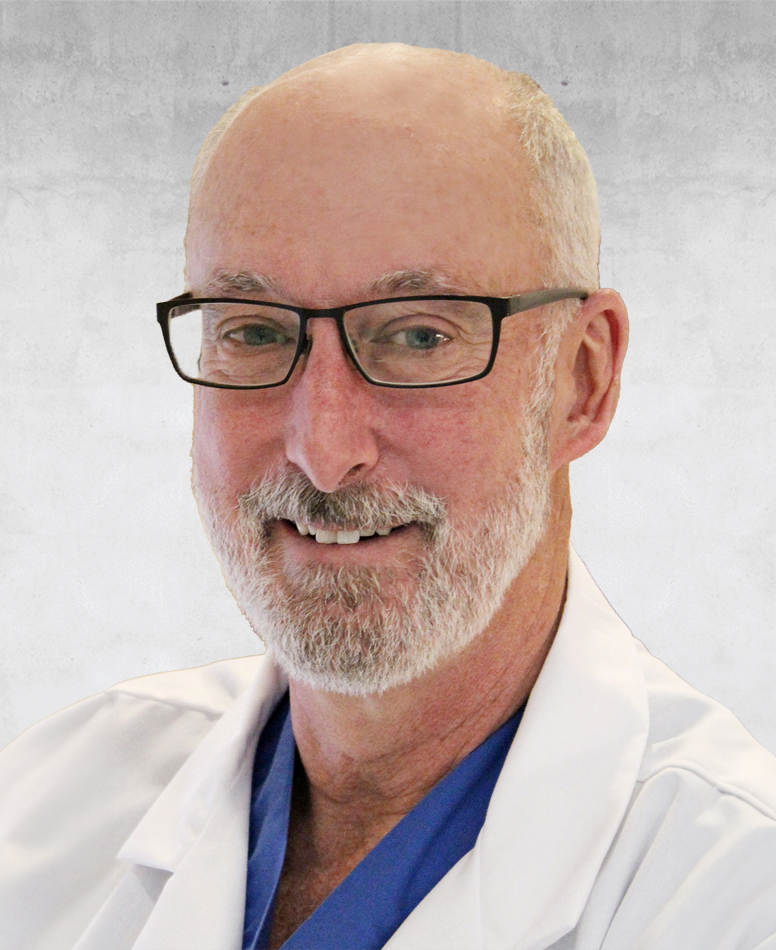
- Chief Surgical Officer,
- Chief, Surgical Oncology, Rutgers Cancer Institute;
- System Director of Surgical Oncology, RWJBarnabas Health;
- Surgeon-in-Chief of the Jack & Sheryl Morris Cancer Center
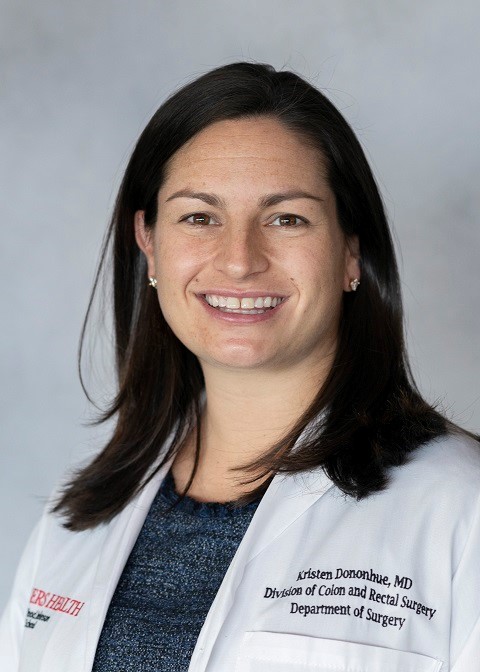
- Colorectal Surgeon, General Surgeon
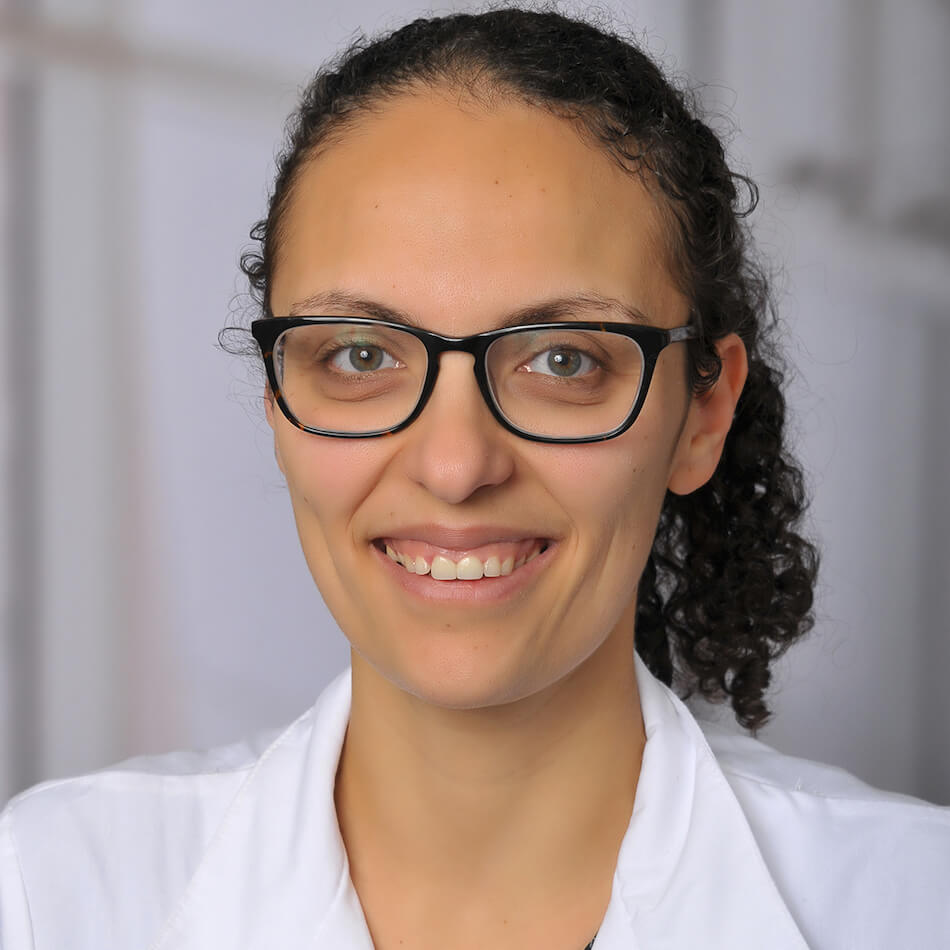
- Surgical Oncologist
- Assistant Professor in the Department of Surgery, Division of Surgical Oncology,
- and Section of Gastrointestinal Oncology at the Rutgers Robert Wood Johnson Medical School
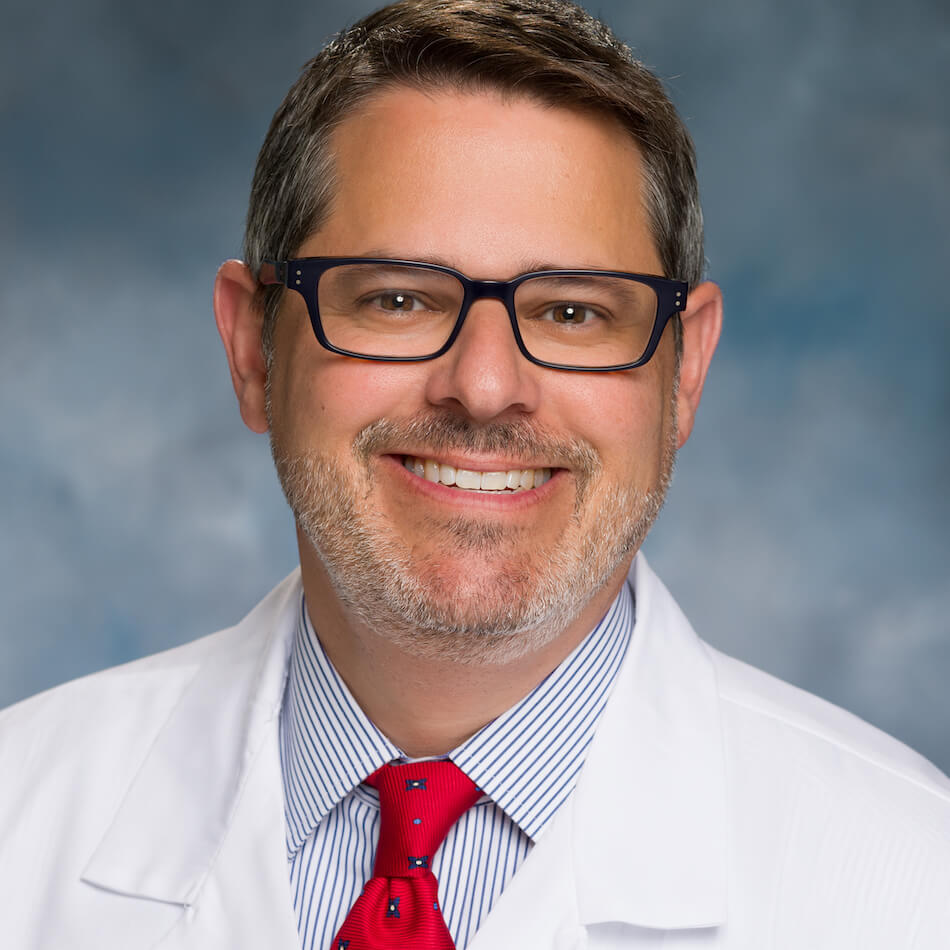
- Chief, Colorectal Surgery
- Chief Strategic Excellence and Engagement Officer
- Associate Director of Strategic Excellence and Engagement
- Associate Professor of Surgery, Robert Wood Johnson Medical School
- Associate Professor of Health, Behavior and Policy, Rutgers School of Public Health

- Associate Chief Surgical Officer, System Integration and Quality
- Director of Surgical Oncology, Northern Region, RWJBarnabas Health | Rutgers Cancer Institute
- Chief of Surgical Oncology & Hepatopancreatobiliary Surgery, Cooperman Barnabas Medical Center
- Associate Professor of Surgery, Rutgers Robert Wood Johnson Medical School
- Colorectal Surgeon, Cooperman Barnabas Medical Center

- Colorectal Surgeon
- Medical Staff President, Robert Wood Johnson University Hospital
- Professor of Surgery; Vice Chair of Education, Rutgers Robert Wood Johnson Medical School
- Colorectal Surgeon, General Surgeon
- Assistant Professor of Surgery, Rutgers Robert Wood Johnson Medical School

- Medical Oncologist
- Medical Oncologist

- Medical Oncologist
- Associate Program Director, GI Medical Oncology
- Medical Oncologist
- Medical Oncologist
- Medical Oncology Director for Hepatobiliary Cancer, RWJBarnabas Health
- Clinical Associate Professor, Department of Medicine, Rutgers Robert Wood Johnson Medical School
- Radiation Oncologist
- Assistant Professor, Division of Clinical Radiation Oncology
- Department of Radiation Oncology, Rutgers Robert Wood Johnson Medical School

- Radiation Oncologist
- Associate Professor of Radiation Oncology and Division of Clinical Radiation Oncology,
- Rutgers Robert Wood Johnson Medical School
- Director of Brachytherapy, Department of Radiation Oncology
- Associate Director for Faculty Affairs and Development
- Vice Chair of Clinical Research & Faculty Development
- Clinical Chief, Radiation Oncology at RWJUH/Rutgers Cancer Institute
- Radiation Oncologist
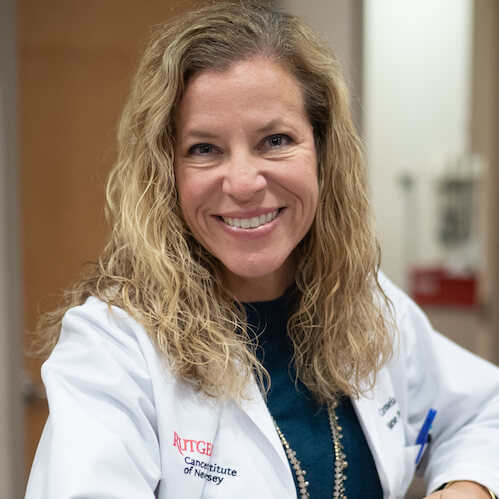
- Advanced Practice Nurse
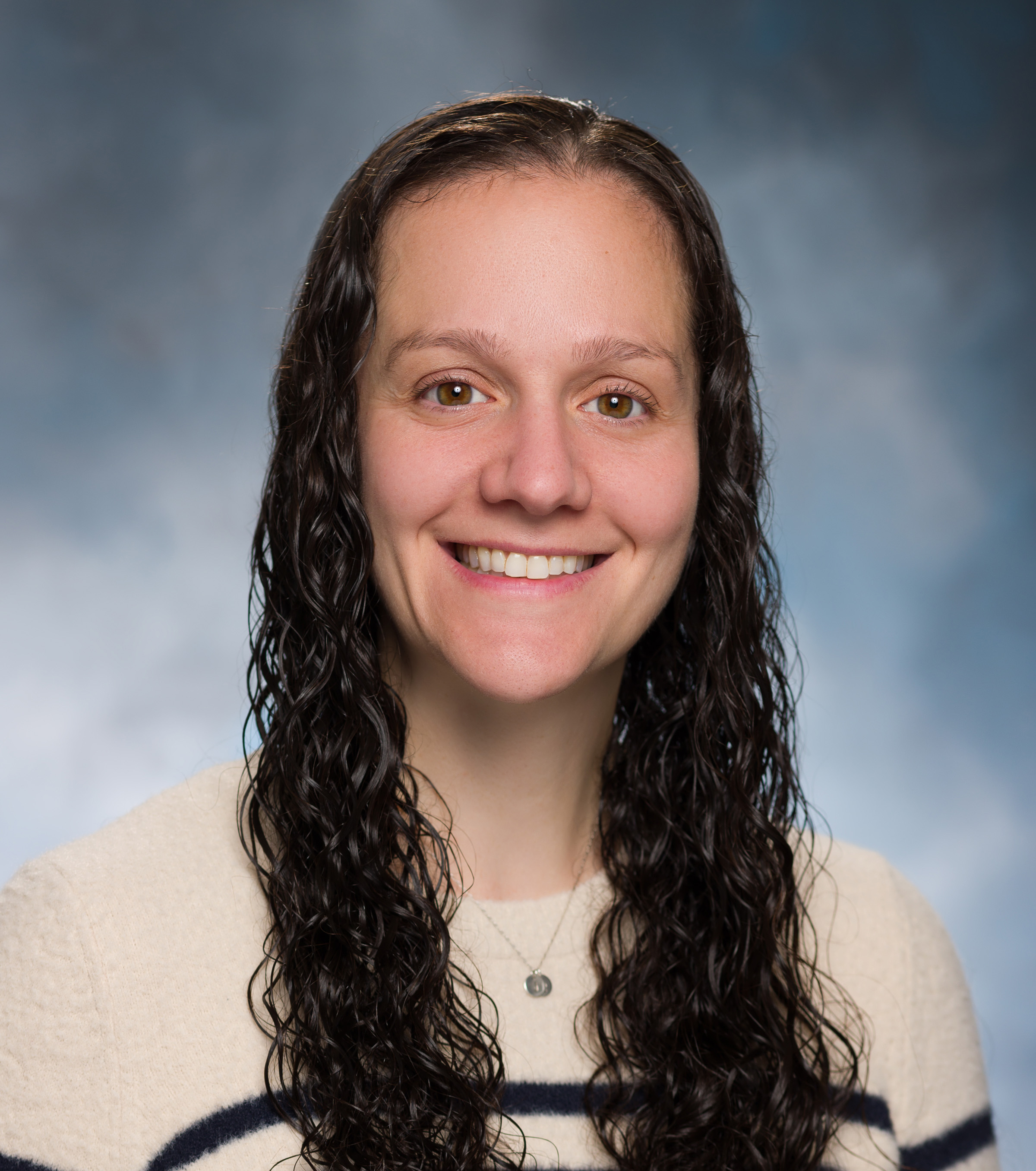
- Advanced Practice Provider
- Advanced Practice Nurse
- Inpatient Surgery Advanced Practice Provider
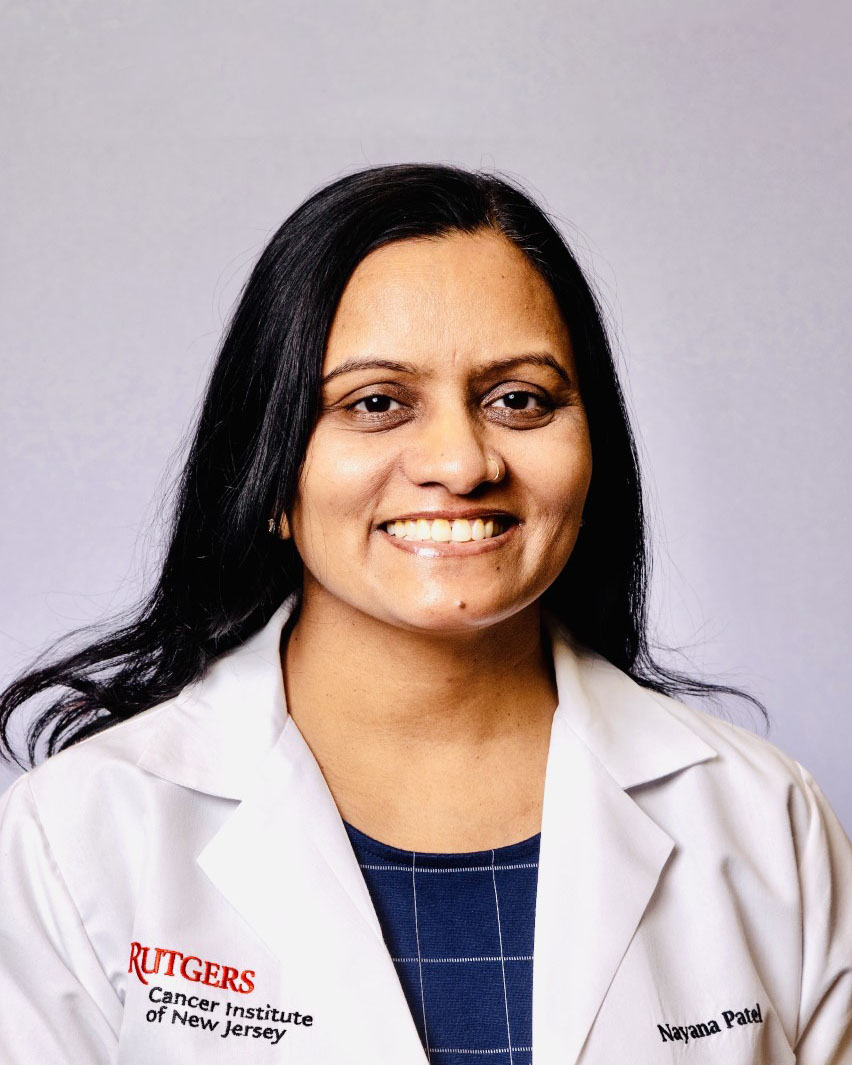
- Advanced Practice Provider
- Physician Assistant
Articles and Press

What Women Need to Know About Colorectal Cancer
Learn more about the risks, signs, and importance of early detection of colorectal cancer for women. Dr. Brendan Scully shares more.
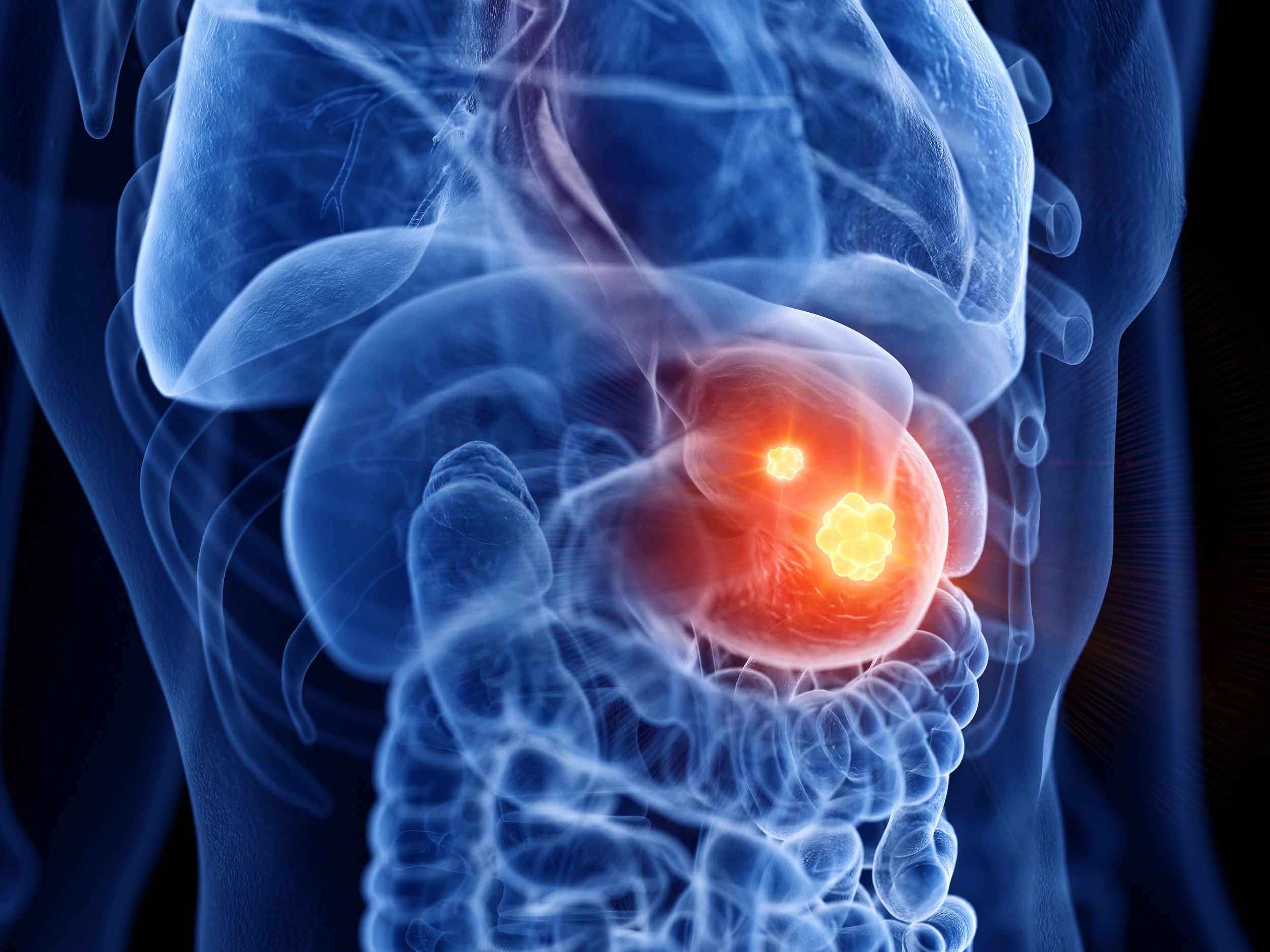
Study Results: Exploring Gastric Cancer Risk Through Oral Microbiomes
A new study has found that the bacteria in our mouths might offer valuable insights for early detection of gastric cancer. Lead author of the study, Haejin In, MD, MPH, MBA, FACS, FSSO, along Brijesh Rana, BDS, MS, share more about the findings published recently in Gastrointestinal Surgery.

Exploring Disparities in Colorectal Cancer
Despite health systems placing stronger emphasis on making preventive care accessible and equitable, significant disparities persist among some racial and ethnic groups.

Insights into the Growing Incidence of Colorectal Cancer in Young Adults
Incidences of colorectal cancer in young people (those between their mid-20s and late 50s) has more than doubled since the 1990s.
First in State Offering Novel Form of Liver Cancer Treatment
RWJBarnabas Health and Rutgers Cancer Institute have joined a select number of institutions nationwide that offer a specialized chemotherapy delivery system called hepatic artery infusion (HAI) therapy for patients with liver tumors.
Stomach Cancer is disproportionately impacting the Hispanic-American Community
Explore the facts, the risks, and the barriers to care surrounding stomach cancer in the Hispanic-American community.
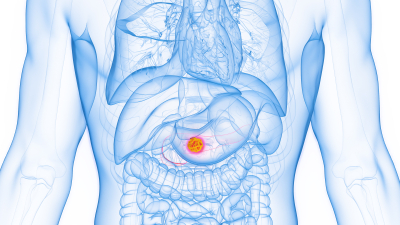
Artificial Intelligence May Detect Earliest Signs of Pancreatic Cancer
Cooperman Barnabas Medical Center, in partnership with EON health, has pioneered one of the first cloud-based data management platforms in the nation to identify, track and monitor patients with pancreatic cysts.
Why is Colorectal Cancer on the Rise in Younger People?
Discover the latest statistics on colorectal cancer and learn how age impacts your risk of developing this condition.
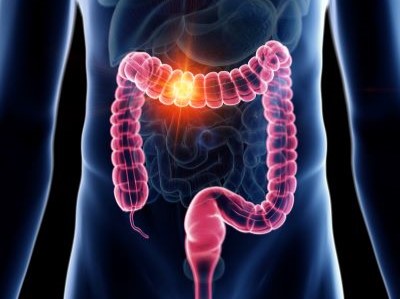
45 is the New 50 for Colorectal Cancer Screening
Updated guidelines for colorectal screening consider the benefits of early detection and treatment for adults with no personal history or increased risk of the disease.
Frequently Asked Questions (FAQs)
What makes our Gastrointestinal Oncology Program unique?
Our GI Oncology Program delivers highly coordinated, expert care for every type of gastrointestinal cancer. Each patient’s case is reviewed by a multidisciplinary team of nationally recognized specialists in surgery, medical oncology, radiation oncology, gastroenterology, radiology, and pathology—many of whom are high-volume clinicians with extensive experience caring for complex and rare GI cancers. This collaborative approach ensures that every patient receives an individualized, evidence-based treatment plan.
We offer leading-edge diagnostic and therapeutic options, including advanced imaging, molecular and genomic profiling, robotic and minimally invasive surgery, organ-preserving endoscopic treatments, precision oncology, immunotherapy, and access to unique clinical trials developed by our own research teams. Patients can also benefit from rapid-access appointments for urgent symptoms, allowing faster evaluation and earlier initiation of care.
Care is delivered at the state-of-the-art Jack & Sheryl Morris Cancer Center, a comprehensive environment designed to bring all cancer services—clinical care, diagnostics, infusion, imaging, and supportive resources—together under one roof. Dedicated nurse navigators, nutritionists, social workers, genetic counselors, and supportive care specialists help guide patients and families at every step to ensure a seamless, compassionate experience from diagnosis through survivorship.
How do I make an appointment?
To request an appointment, call 844-CANCERNJ.
Do I need a referral from my doctor?
No, you do not necessarily need a referral to make an appointment with Rutgers Cancer Institute or RWJBarnabas Health providers at the Jack & Sheryl Morris Cancer Center. You can call the Access Center at 844-CANCERNJ (844-226-2376) and request a new patient appointment, or request a new appointment online.
Your insurance plan might require a referral form from your primary care physician or referring doctor for coverage. It is a good idea to check your benefits or contact your insurer.
Can I get a second opinion at your center?
Yes. Many patients seek second opinions from our team, especially for complex or rare gastrointestinal cancers. Our nationally recognized, high-volume specialists work together across surgery, medical oncology, radiation oncology, gastroenterology, pathology, and radiology to provide a thorough and unbiased review of your diagnosis and treatment options.
We also offer access to advanced diagnostics, minimally invasive and organ-preserving procedures, precision therapies, and unique clinical trials available only at the Jack & Sheryl Morris Cancer Center.
You can request a second-opinion appointment directly by calling 844-CANCERNJ (844-226-2376). No referral is required unless your insurance plan needs one.
What are signs of gastrointestinal cancer?
Signs of gastrointestinal cancer can vary depending on the specific organ affected and stage of the disease. However, Common symptoms include persistent abdominal pain, unexplained weight loss or loss of appetite, changes in bowel habits, or blood in the stool. It's important to note that experiencing these symptoms does not necessarily mean you have cancer. If these symptoms persist, you should consult your healthcare provider for proper evaluation and diagnosis.
Is gastrointestinal cancer treatable?
Yes, many forms of gastrointestinal cancer are treatable, especially when detected early. Treatment options may include surgery, chemotherapy, radiation therapy, targeted therapy, or immunotherapy, depending on the type and stage of cancer. Advances in medical technology, including cutting-edge clinical trials, continue to significantly improve outcomes for many cancer patients.
Are there screening tests for GI cancers?
Screening recommendations vary depending on the type of gastrointestinal cancer. Colonoscopy is the most effective and widely recommended screening test for colorectal cancer. For other cancers—such as esophageal, stomach, pancreatic, and liver cancers—screening is generally offered to people at higher risk due to family history, certain medical conditions, precancerous changes, or genetic syndromes.
Our team reviews your personal risk factors to determine whether you may benefit from specialized screening or surveillance.